


Hey there! As a supplier of electric loaders, I often get asked, "How fast can an electric loader move?" Well, let's dive right into this topic and break it down.
First off, it's important to understand that the speed of an electric loader isn't just a one - size - fits - all number. There are several factors that come into play, like the type of electric loader, its design, and what it's being used for.
Let's start with the different types of electric loaders we offer. We've got the Remote Control Skid Loader. These bad boys are super versatile. They're small, nimble, and can be controlled from a distance. This makes them great for jobs in tight spaces or dangerous areas where you don't want an operator right on the machine.
The speed of a remote - control skid loader can vary. On average, they can move at speeds of around 3 to 5 miles per hour (mph) when traveling on flat ground. But why so slow? Well, these loaders are designed more for precision work. They're used for tasks like moving small amounts of material in a construction site, landscaping, or even in warehouses. You don't need them to be blazing fast because you're focused on getting the job done accurately.
Next up is the Lithium - Ion Electric Loader. Lithium - ion technology has really revolutionized the electric loader industry. These loaders are powered by lithium - ion batteries, which offer several advantages over traditional battery types. They have a longer lifespan, charge faster, and can provide more consistent power.
When it comes to speed, lithium - ion electric loaders can be a bit faster than their counterparts. Depending on the model, they can reach speeds of up to 8 mph. The reason for this is that they have a more efficient power delivery system. The lithium - ion batteries can supply a steady stream of power to the motor, allowing the loader to move more quickly. These loaders are often used in larger construction projects or in outdoor areas where they need to cover more ground in a shorter amount of time.
Then we have the Compact Utility Loader. As the name suggests, these loaders are compact but still pack a punch. They're designed to be multi - purpose, able to handle a variety of tasks with different attachments.
The speed of a compact utility loader typically ranges from 4 to 6 mph. They're a good middle - ground between the slow - but - precise remote - control skid loaders and the faster lithium - ion electric loaders. Compact utility loaders are great for jobs like snow removal, small - scale excavation, and general material handling around a property.
Now, let's talk about some of the factors that can affect the speed of an electric loader. The terrain is a big one. If you're operating the loader on a rough, uneven surface, it's going to slow down. The loader has to work harder to navigate over bumps, rocks, and other obstacles. On the other hand, if you're on a smooth, flat surface like a concrete floor in a warehouse, the loader can move at its maximum speed more easily.
The load that the loader is carrying also matters. If it's fully loaded with heavy materials, it's going to move slower than when it's empty. The motor has to work harder to move the extra weight, which reduces the overall speed.
Another factor is the temperature. Extreme cold or hot temperatures can affect the performance of the battery and the motor. In cold weather, the battery's capacity can decrease, which means less power is available to the motor. In hot weather, the motor can overheat, causing it to slow down to prevent damage.
So, how can you make sure your electric loader is moving at its best speed? Regular maintenance is key. Keep the loader clean, check the battery regularly, and make sure all the moving parts are well - lubricated. This will ensure that the loader operates efficiently and can reach its maximum speed.
If you're in the market for an electric loader, it's important to consider your specific needs. Think about the type of work you'll be doing, the terrain you'll be operating on, and how much speed you really need. We're here to help you make the right choice. Whether you need a slow - but - precise remote - control skid loader or a faster lithium - ion electric loader, we've got you covered.
If you're interested in learning more about our electric loaders or want to discuss your specific requirements, don't hesitate to reach out. We're always happy to have a chat and help you find the perfect loader for your job.

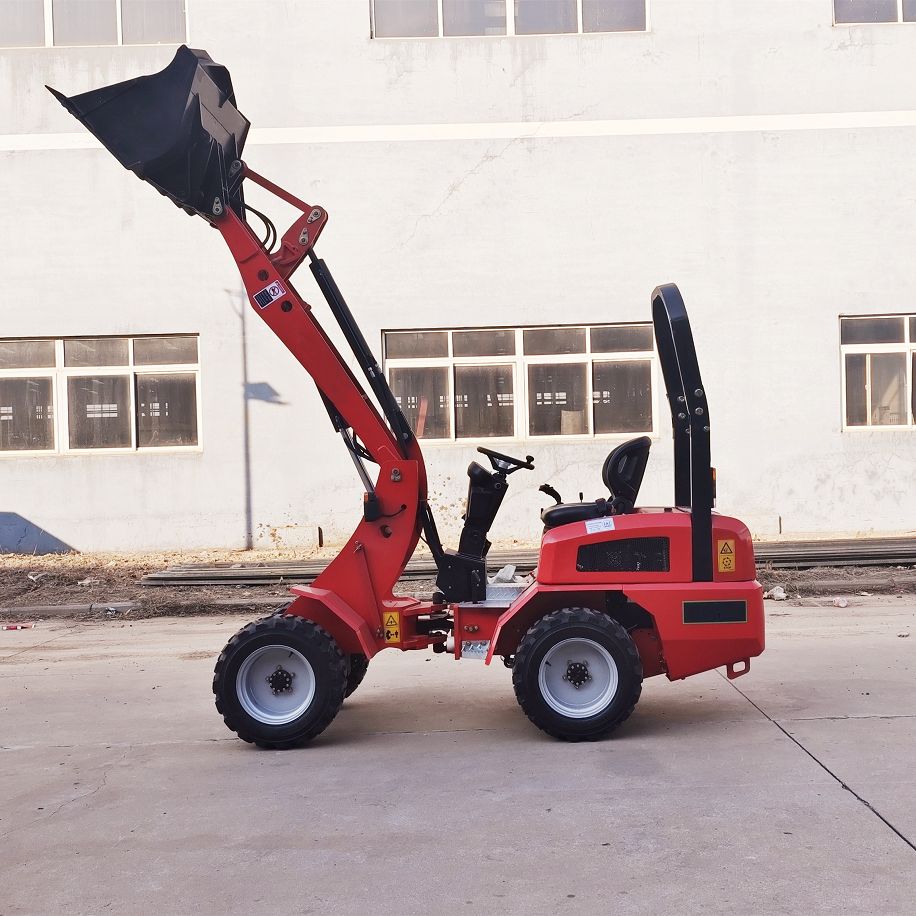
In conclusion, the speed of an electric loader can vary widely depending on the type of loader, the terrain, the load it's carrying, and other factors. But with the right choice and proper maintenance, you can get the most out of your electric loader and ensure it moves at an optimal speed for your needs.
References
- Industry reports on electric loader performance
- Manufacturer specifications for various electric loader models


