


Visibility is a crucial factor in the operation of a wheel excavator. As a wheel excavator supplier, we understand the significance of clear visibility in the cab for both operator safety and operational efficiency. In this blog, we will explore the various visibility issues that operators may encounter in a wheel excavator's cab and discuss potential solutions.
Common Visibility Issues
Blind Spots
One of the most significant visibility issues in a wheel excavator's cab is the presence of blind spots. Blind spots are areas around the excavator that the operator cannot see directly through the cab windows. These blind spots can be caused by the structure of the excavator, such as the boom, arm, and bucket, as well as the position of the cab itself.
Blind spots can pose a serious safety risk, as they can hide obstacles, pedestrians, or other vehicles. For example, when the excavator is turning or reversing, the blind spots can make it difficult for the operator to see what is behind or to the side of the machine. This can lead to collisions, which can cause damage to the excavator, other equipment, or even result in injury or death.
Glare
Glare is another common visibility issue in a wheel excavator's cab. Glare occurs when sunlight or other bright light sources reflect off the cab windows, making it difficult for the operator to see clearly. Glare can be particularly problematic during the early morning or late afternoon when the sun is low in the sky.
Glare can not only reduce the operator's visibility but also cause eye strain and fatigue. This can lead to decreased concentration and reaction time, increasing the risk of accidents. To mitigate the effects of glare, operators can use anti-glare coatings on the cab windows or wear polarized sunglasses.
Limited Field of View
The field of view from the cab of a wheel excavator is often limited due to the design of the machine. The cab may be positioned in a way that restricts the operator's view of certain areas, such as the rear of the excavator or the sides of the boom. Additionally, the size and shape of the cab windows can also affect the operator's field of view.
A limited field of view can make it difficult for the operator to monitor the work area and detect potential hazards. For example, if the operator cannot see the rear of the excavator, they may not be aware of a pedestrian or vehicle approaching from behind. To improve the field of view, some wheel excavators are equipped with rearview cameras or other visibility aids.
Dust and Dirt
In construction and mining environments, dust and dirt can accumulate on the cab windows, reducing visibility. Dust and dirt can be kicked up by the excavator's movement or by other equipment in the area. This can make it difficult for the operator to see clearly, especially in low-light conditions.
To keep the cab windows clean, operators can use windshield wipers and washers. Additionally, some wheel excavators are equipped with air filtration systems to reduce the amount of dust and dirt that enters the cab.
Solutions to Visibility Issues
Rearview Cameras
Rearview cameras are a popular solution to the problem of blind spots in a wheel excavator's cab. These cameras are typically mounted on the rear of the excavator and provide a live video feed to a monitor inside the cab. This allows the operator to see what is behind the machine, even when there are blind spots.
Rearview cameras can significantly improve safety by reducing the risk of collisions when the excavator is reversing. They can also help the operator to position the excavator more accurately, especially in tight spaces.
Sideview Mirrors
Sideview mirrors are another important visibility aid in a wheel excavator's cab. These mirrors are typically mounted on the sides of the cab and provide the operator with a view of the sides of the excavator. Sideview mirrors can help the operator to detect obstacles or other vehicles that may be in the blind spots on the sides of the machine.
To ensure maximum visibility, sideview mirrors should be properly adjusted and maintained. Operators should also check the mirrors regularly to ensure that they are clean and free of damage.

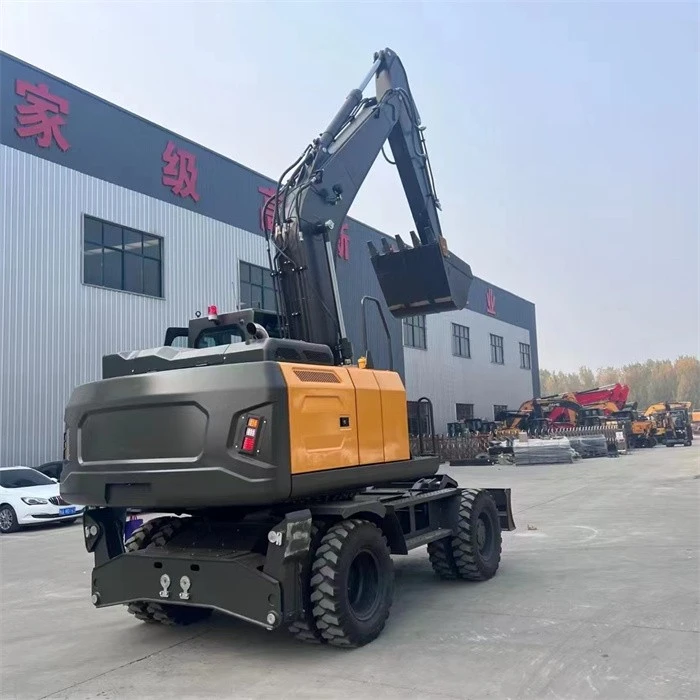
Improved Cab Design
Some wheel excavators are designed with improved cab visibility in mind. For example, the cab may be positioned higher or have larger windows to provide a better field of view. Additionally, the design of the cab may be optimized to reduce blind spots and improve the operator's ability to see around the machine.
When choosing a wheel excavator, it is important to consider the cab design and visibility features. A well-designed cab can make a significant difference in the operator's comfort and safety.
Lighting Systems
Proper lighting is essential for visibility in a wheel excavator's cab, especially in low-light conditions. Many wheel excavators are equipped with headlights, work lights, and interior lights to provide adequate illumination.
Headlights are used to illuminate the area in front of the excavator, while work lights are used to illuminate the work area. Interior lights are used to provide visibility inside the cab. Operators should ensure that all lights are working properly and that they are adjusted to provide the best possible illumination.
Conclusion
Visibility is a critical factor in the operation of a wheel excavator. As a wheel excavator supplier, we are committed to providing our customers with machines that offer excellent visibility and safety features. By understanding the common visibility issues in a wheel excavator's cab and implementing the appropriate solutions, operators can improve their safety and efficiency on the job site.
If you are in the market for a wheel excavator, we invite you to explore our range of products, including the 4 Wheel Excavator, 180 Wheeled Excavator, and Mining Wheel Excavator. Our team of experts is available to answer any questions you may have and to help you choose the right excavator for your needs. Contact us today to start the procurement process and discuss how our wheel excavators can enhance your operations.
References
- Construction Equipment Guide. (n.d.). Understanding Excavator Visibility. Retrieved from [URL]
- Occupational Safety and Health Administration. (n.d.). Construction Excavation Safety. Retrieved from [URL]
- SAE International. (n.d.). J1116_201903 - Earth - Moving Machinery - Operator's Field of Vision. Retrieved from [URL]


