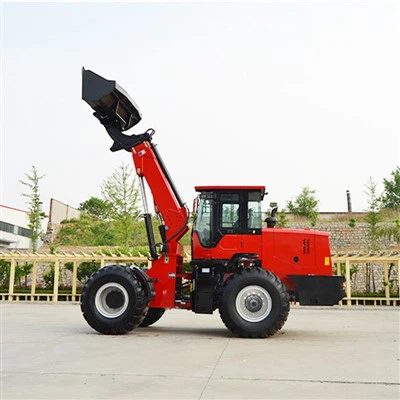
Telescopic telehandlers are versatile and powerful machines widely used in various industries, including construction, agriculture, and logistics. One crucial aspect of these machines is their lighting system, which plays a vital role in ensuring safety, efficiency, and visibility during operation, especially in low - light conditions. As a telescopic telehandler supplier, I am well - versed in the importance of a reliable lighting system and its components.
The Function of the Lighting System in a Telescopic Telehandler
The lighting system of a telescopic telehandler serves multiple functions. First and foremost, it provides illumination for the operator to see the working area clearly. Whether it's loading and unloading materials in a dimly lit warehouse or working on a construction site at night, proper lighting is essential for accurate and safe operation.
Visibility is also crucial for other workers on the site. The lights on a telehandler make the machine more visible to pedestrians and other equipment, reducing the risk of accidents. Additionally, certain lights, such as signal lights, communicate the machine's movements and intentions to others.
Components of the Lighting System
Headlights
Headlights are the primary source of forward illumination. They are typically located at the front of the telehandler, near the operator's cab. High - quality headlights should provide a wide and even beam of light, covering a sufficient distance in front of the machine. This allows the operator to see obstacles, loads, and the terrain clearly while driving or maneuvering the telehandler.
Modern headlights often use LED technology. LEDs offer several advantages over traditional halogen bulbs. They are more energy - efficient, have a longer lifespan, and provide brighter and more focused light. This means that the telehandler can operate for longer periods without draining the battery significantly, and the operator will have better visibility in all conditions.
Work Lights
Work lights are designed to illuminate the working area around the telehandler, such as the forks and the load. These lights are usually mounted on the boom or other strategic locations on the machine. They are especially important when the telehandler is lifting or moving loads, as they help the operator position the forks accurately and ensure that the load is stable.
Like headlights, work lights are also increasingly using LED technology. Some work lights are adjustable, allowing the operator to direct the light where it is needed most. For example, when working at different heights or angles, the operator can adjust the work lights to illuminate the load and the surrounding area effectively.


Signal Lights
Signal lights are used to indicate the telehandler's movements and intentions to other workers on the site. These include turn signals, hazard lights, and brake lights. Turn signals are essential for indicating the direction of the telehandler's movement, especially when turning at intersections or in tight spaces. Hazard lights are used to warn others when the telehandler is stationary or when there is an emergency. Brake lights signal to other workers that the telehandler is slowing down or stopping.
Rear Lights
Rear lights are located at the back of the telehandler. They provide illumination for the area behind the machine, which is important when the telehandler is reversing. Rear lights also include brake lights and reflectors, which enhance the visibility of the telehandler from the rear.
Importance of a Well - Designed Lighting System
A well - designed lighting system is essential for the safe and efficient operation of a telescopic telehandler. In industries such as construction, where work often continues into the night or in low - light conditions, a reliable lighting system can significantly improve productivity. Operators can work more accurately and quickly when they have good visibility, reducing the time spent on tasks such as loading and unloading materials.
Safety is another critical factor. A proper lighting system reduces the risk of accidents by making the telehandler more visible to other workers and by allowing the operator to see potential hazards. This is especially important in busy construction sites or warehouses where there are many moving parts and pedestrians.
Different Types of Telescopic Telehandlers and Their Lighting Requirements
Extended Boom Forklift
The Extended Boom Forklift is a type of telescopic telehandler with a long boom that can reach greater heights and distances. Due to its extended reach, the lighting system needs to be able to illuminate the area at the end of the boom. This may require additional work lights or more powerful headlights to ensure that the operator can see the load and the surrounding area clearly, even when the boom is fully extended.
Electric Telescopic Handler
The Electric Telescopic Handler is an environmentally friendly alternative to traditional diesel - powered telehandlers. Since electric telehandlers rely on battery power, the lighting system needs to be energy - efficient. LED lights are an ideal choice for electric telehandlers as they consume less power, allowing the machine to operate for longer periods without recharging.
Construction Telescopic Handler
The Construction Telescopic Handler is designed for use in construction sites, where the working environment can be harsh and unpredictable. The lighting system of a construction telehandler needs to be robust and durable. It should be able to withstand dust, dirt, and vibrations, and provide reliable illumination in all weather conditions.
Maintenance of the Lighting System
Regular maintenance of the lighting system is crucial to ensure its proper functioning. This includes checking the bulbs for damage or burnout, cleaning the lenses to remove dirt and debris, and inspecting the wiring for any signs of wear or damage.
Operators should also be trained to recognize when a light is not working correctly and to report any issues immediately. By maintaining the lighting system, the telehandler can continue to operate safely and efficiently, reducing the risk of accidents and downtime.
Conclusion
The lighting system of a telescopic telehandler is a critical component that plays a vital role in the machine's safety and efficiency. As a telescopic telehandler supplier, I understand the importance of providing high - quality lighting systems that meet the specific needs of different types of telehandlers. Whether it's an extended boom forklift, an electric telescopic handler, or a construction telescopic handler, a well - designed and maintained lighting system is essential for optimal performance.
If you are in the market for a telescopic telehandler or need to upgrade the lighting system of your existing machine, I encourage you to contact us for more information. We can provide you with detailed product specifications and help you choose the right telehandler and lighting system for your needs.
References
- Manufacturer's manuals for telescopic telehandlers
- Industry standards and regulations regarding lighting systems in construction equipment
- Technical papers on the use of LED technology in vehicle lighting