


Can a Medium Tractor Be Used on Wet Land?
As a supplier of medium tractors, I often get asked whether our medium tractors can be effectively used on wet land. This is a crucial question for farmers and agricultural workers, as wet conditions are common in many regions and can significantly impact the performance and usability of farming equipment. In this blog post, I'll delve into the factors that determine whether a medium tractor can be used on wet land, the advantages and challenges associated with it, and how our medium tractors are designed to handle such conditions.

Understanding Medium Tractors
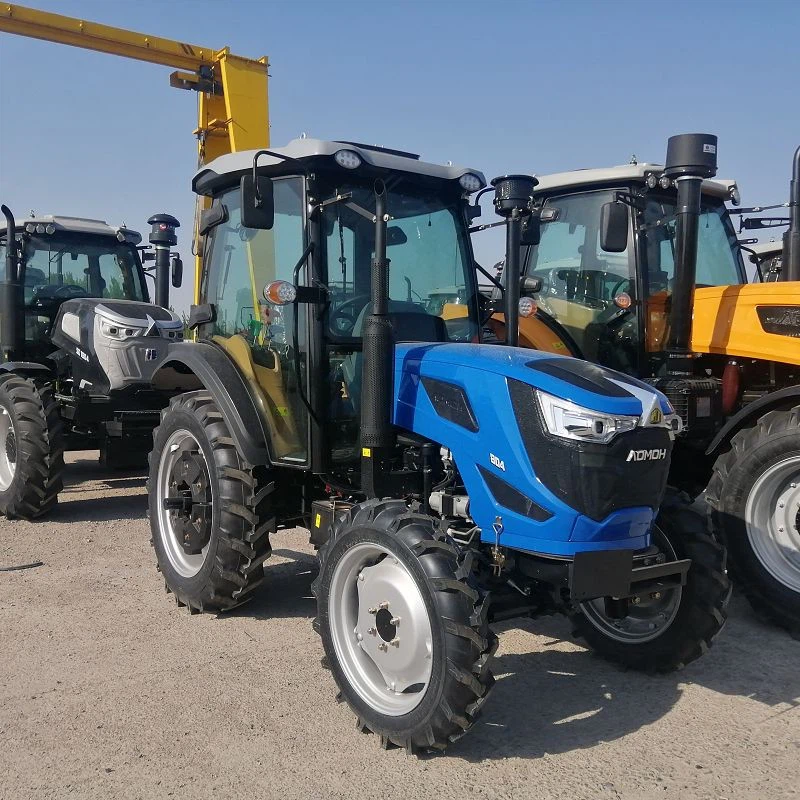
Before we discuss the use of medium tractors on wet land, let's first understand what a medium tractor is. Medium tractors typically have a power range between 40 and 100 horsepower. They are versatile machines that can be used for a variety of agricultural tasks, such as plowing, tilling, seeding, and hauling. Our Medium Wheeled Tractor and Medium Farm Tractor models fall into this category, offering a balance of power, maneuverability, and efficiency.
Factors Affecting the Use of Medium Tractors on Wet Land
Several factors need to be considered when determining whether a medium tractor can be used on wet land. These include the tractor's design, the type of tires, the soil conditions, and the specific tasks to be performed.
Tractor Design
Modern medium tractors are designed with features that enhance their performance in various conditions, including wet land. For example, many of our tractors have a well - balanced weight distribution, which helps to prevent the tractor from getting stuck. The chassis is also designed to provide good ground clearance, allowing the tractor to navigate through wet and muddy areas without the risk of the undercarriage getting clogged with mud.
Tire Type
The type of tires on a medium tractor plays a crucial role in its performance on wet land. Tires with deep treads and a wide footprint are ideal for wet conditions. Deep treads provide better traction by digging into the wet soil, while a wide footprint helps to distribute the tractor's weight more evenly, reducing the risk of sinking. Our medium tractors can be equipped with specialized agricultural tires that are designed to perform well in wet and muddy conditions.
Soil Conditions
The type of soil on the wet land is another important factor. Different soils have different characteristics when wet. For example, clay soils tend to become very sticky and heavy when wet, making it more difficult for a tractor to move. Sandy soils, on the other hand, may drain better and offer less resistance. Before using a medium tractor on wet land, it's important to assess the soil conditions to determine whether the tractor can handle the terrain.
Tasks to Be Performed
The specific tasks to be performed on the wet land also influence the tractor's usability. Some tasks, such as light tilling or hauling, may be more feasible on wet land than others, like deep plowing. Deep plowing requires more power and traction, and may be more challenging in wet conditions.
Advantages of Using a Medium Tractor on Wet Land
There are several advantages to using a medium tractor on wet land.
Versatility
Medium tractors are versatile machines that can perform a wide range of tasks on wet land. They can be used for tasks such as spreading fertilizers, seeding, and light tilling, even when the ground is wet. This versatility allows farmers to continue their agricultural operations during periods of wet weather, without having to wait for the land to dry out.
Maneuverability
Compared to larger tractors, medium tractors are more maneuverable. This is especially important on wet land, where tight turns and precise movements may be required. The smaller size and better handling of medium tractors make them well - suited for working in confined spaces and around obstacles on wet land.
Cost - effectiveness
Medium tractors are generally more cost - effective than larger tractors. They require less fuel and maintenance, making them a more economical choice for farmers who need to work on wet land. Additionally, the lower initial purchase price of medium tractors makes them more accessible to small and medium - sized farms.
Challenges of Using a Medium Tractor on Wet Land
While there are advantages to using a medium tractor on wet land, there are also some challenges that need to be addressed.
Traction and Sinking
One of the main challenges is maintaining traction and preventing the tractor from sinking. Wet soil can be slippery, and the tractor may struggle to move forward or may get stuck. To overcome this challenge, it's important to use the right type of tires and to adjust the tractor's speed and gear selection according to the conditions.
Mud and Clogging
Wet land often means mud, and mud can cause problems for a medium tractor. Mud can clog the tractor's tires, radiator, and other components, reducing its performance and potentially causing damage. Regular cleaning and maintenance are essential to keep the tractor in good working condition when operating on wet land.
Safety Risks
Working on wet land also poses safety risks. The slippery surface can increase the risk of the tractor overturning, especially when making turns or going up and down slopes. Operators need to be trained to operate the tractor safely in wet conditions and to take appropriate precautions.
Specific Tasks and Their Feasibility on Wet Land
Let's take a closer look at some common agricultural tasks and their feasibility on wet land using a medium tractor.
Plowing
Plowing on wet land can be challenging, especially if the soil is heavy and sticky. However, light plowing may be possible with a medium tractor, especially if the soil is relatively loose. It's important to use a plow that is suitable for wet conditions and to adjust the depth and speed of plowing accordingly.
Tilling
Tilling is generally more feasible on wet land than plowing. A medium tractor can be used to perform light tilling tasks, such as preparing the soil for seeding. Tilling helps to break up the soil and improve its structure, even when the soil is wet.
Seeding
Seeding can be done on wet land using a medium tractor. However, it's important to ensure that the soil is not too wet, as this can affect the germination of the seeds. A seed drill attached to the medium tractor can be used to plant seeds at the correct depth and spacing.
Our Medium Tractors' Performance on Wet Land
Our medium tractors are designed to handle the challenges of wet land. We have conducted extensive testing in various wet and muddy conditions to ensure that our tractors meet the needs of farmers. Our tractors are equipped with high - quality tires and advanced traction control systems that provide excellent grip on wet soil. The engines are powerful enough to handle the increased resistance in wet conditions, and the hydraulic systems are designed to operate smoothly even when the tractor is exposed to mud and water.
Conclusion
In conclusion, a medium tractor can be used on wet land, but it depends on several factors. With the right design, tire selection, and operator knowledge, a medium tractor can perform a variety of tasks on wet land effectively. Our medium tractors, such as the Medium Wheeled Tractor and Medium Farm Tractor, are well - equipped to handle the challenges of wet land.
If you are interested in learning more about our medium tractors and how they can be used on wet land, or if you are considering purchasing a medium tractor for your agricultural operations, we encourage you to contact us for a detailed discussion. Our team of experts is ready to provide you with all the information you need and to assist you in making the right choice for your farm.
References
- "Agricultural Tractor Technology" - A comprehensive textbook on tractor design and operation.
- "Soil Mechanics in Agricultural Engineering" - A resource that explains the behavior of different soils under various conditions, including wet conditions.
- Industry reports on the performance of medium tractors in different agricultural environments.


