


A compact loader is a versatile and essential piece of equipment in various industries, including construction, landscaping, and agriculture. Regular cleaning of a compact loader not only enhances its appearance but also extends its lifespan and ensures optimal performance. As a leading compact loader supplier, I am here to share some professional tips on how to clean a compact loader effectively.
Preparation
Before you start cleaning your compact loader, it's crucial to gather all the necessary tools and materials. Here's a list of items you'll need:

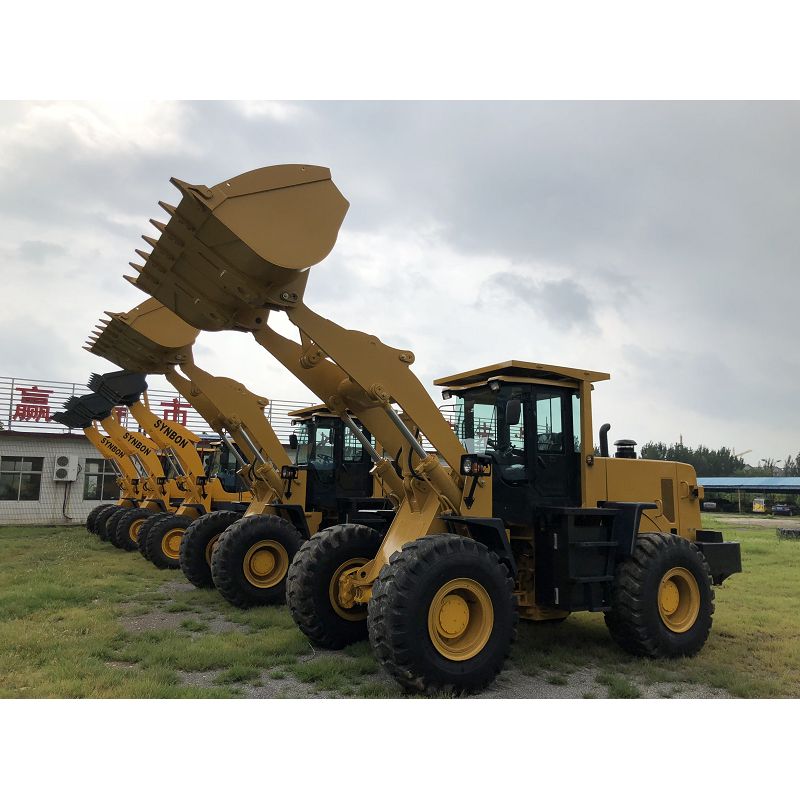
- Pressure washer: A high - pressure washer is ideal for removing stubborn dirt and debris from the loader's exterior.
- Soft - bristle brushes: These are used for cleaning delicate parts and hard - to - reach areas without causing damage.
- Cleaning agents: Choose a mild detergent or a specialized heavy - equipment cleaner. Avoid using harsh chemicals that can damage the paint or rubber components.
- Microfiber towels: They are great for drying the loader after washing to prevent water spots.
- Safety gear: Wear gloves, safety glasses, and appropriate clothing to protect yourself during the cleaning process.
Step 1: Inspect the Loader
Before you start the actual cleaning, conduct a thorough inspection of the compact loader. Look for any signs of damage, loose parts, or leaks. Check the tires, hydraulic hoses, and the bucket for any wear and tear. This inspection can help you identify potential issues early and address them before they become major problems.
Step 2: Remove Loose Debris
Use a broom or a leaf blower to remove any loose dirt, leaves, and debris from the loader. Pay special attention to the cab, engine compartment, and the areas around the wheels. This preliminary step will make the subsequent cleaning process more efficient.
Step 3: Clean the Exterior
- Wet the Loader: Start by using a pressure washer to wet the entire exterior of the compact loader. This helps to loosen the dirt and makes it easier to remove.
- Apply Cleaning Agent: Dilute the cleaning agent according to the manufacturer's instructions and apply it to the loader's exterior using a sprayer or a sponge. Work in sections, starting from the top and working your way down. Make sure to cover all surfaces, including the bucket, the sides, and the rear of the loader.
- Scrub the Surfaces: Use a soft - bristle brush to scrub the surfaces gently. Focus on areas with heavy dirt buildup, such as the wheels, the undercarriage, and the edges of the bucket. Be careful not to scratch the paint or damage any components.
- Rinse Thoroughly: After scrubbing, use the pressure washer to rinse off the cleaning agent and dirt. Make sure to remove all traces of the cleaner to prevent it from leaving residue on the loader.
Step 4: Clean the Cab
The cab of the compact loader is where the operator spends most of their time, so it's important to keep it clean and comfortable.
- Remove Personal Items: Take out any personal items, tools, or paperwork from the cab.
- Vacuum the Interior: Use a handheld vacuum cleaner to remove dust, dirt, and debris from the floor, seats, and dashboard.
- Clean the Surfaces: Wipe down the dashboard, steering wheel, and other surfaces with a microfiber towel dampened with a mild cleaning solution. Pay attention to the controls and switches to ensure they are clean and functioning properly.
- Clean the Windows: Use a glass cleaner and a clean microfiber towel to clean the inside and outside of the windows. This will improve visibility for the operator.
Step 5: Clean the Engine Compartment
The engine compartment is the heart of the compact loader, and keeping it clean is essential for its performance and longevity.
- Let the Engine Cool: Before cleaning the engine compartment, make sure the engine has cooled down completely to avoid any risk of burns.
- Remove Debris: Use a soft - bristle brush or a compressed air gun to remove loose dirt, leaves, and debris from the engine, radiator, and other components.
- Apply Degreaser: Spray a degreaser on the engine and other greasy parts. Let it sit for a few minutes to break down the grease and oil.
- Scrub and Rinse: Use a soft - bristle brush to scrub the engine components gently. Then, use a low - pressure water stream to rinse off the degreaser and dirt. Be careful not to get water on sensitive electrical components.
- Dry the Compartment: After rinsing, use a clean microfiber towel to dry the engine compartment as much as possible. This helps to prevent rust and corrosion.
Step 6: Clean the Hydraulic System
The hydraulic system is crucial for the operation of the compact loader. Regular cleaning can help prevent hydraulic fluid contamination and ensure smooth operation.
- Check the Hydraulic Fluid Level: Before cleaning, check the hydraulic fluid level and make sure it is within the recommended range.
- Clean the Hydraulic Hoses and Fittings: Use a clean cloth dampened with a mild cleaning solution to wipe down the hydraulic hoses and fittings. Check for any signs of leaks or damage.
- Inspect the Hydraulic Filters: If the hydraulic filters are dirty or clogged, replace them according to the manufacturer's recommendations.
Step 7: Dry the Loader
After cleaning, use microfiber towels to dry the compact loader thoroughly. Pay special attention to areas where water can accumulate, such as the cab, the engine compartment, and the undercarriage. Drying the loader helps to prevent rust and corrosion.
Step 8: Lubricate Moving Parts
Once the loader is dry, lubricate all the moving parts, such as the hinges, pins, and joints. Use a high - quality lubricant recommended by the manufacturer. This helps to reduce friction and wear, ensuring smooth operation.
Step 9: Final Inspection
After completing the cleaning and lubrication process, conduct a final inspection of the compact loader. Check all the components to make sure they are clean, dry, and in good working condition. Look for any signs of damage or issues that may have been missed during the initial inspection.
Why Choose Our Compact Loaders?
At our company, we offer a wide range of high - quality compact loaders, including Self Propelled Front End Shovel Loaders, Front Shovel Loader, and Small Articulating Front End Loader. Our loaders are designed with durability, performance, and ease of maintenance in mind. Regular cleaning, as described above, will help you get the most out of your investment.
If you are in the market for a new compact loader or have any questions about our products, we encourage you to contact us for a procurement discussion. Our team of experts is ready to assist you in finding the perfect compact loader for your specific needs.
References
- Manufacturer's manuals for compact loaders
- Industry best practices for heavy - equipment maintenance and cleaning


