


Hey there! As a medium tractor supplier, I often get asked about the differences between medium tractors and small tractors. It's a pretty common question, especially for folks who are new to farming or just looking to upgrade their equipment. So, I thought I'd take a few minutes to break it down for you.
Power and Performance
One of the most obvious differences between medium and small tractors is their power. Small tractors typically have engines ranging from about 20 to 40 horsepower. They're great for light-duty tasks like mowing small lawns, tilling small gardens, or moving light loads around a small property. For example, if you've got a half - acre backyard and you want to keep the grass in check, a small tractor with a mower attachment would do the job just fine.
On the other hand, medium tractors pack a much bigger punch. They usually have engines in the range of 40 to 100 horsepower. This extra power allows them to handle more demanding tasks. If you're running a small - to - medium - sized farm, a medium tractor can be used for plowing large fields, pulling heavy implements like balers or seeders, and towing trailers filled with hay or other farm supplies. For instance, when it comes to plowing a five - acre field, a medium tractor will get the job done much faster and more efficiently than a small tractor.
The torque of a medium tractor is also significantly higher. Torque is what gives a tractor the ability to pull heavy loads. A small tractor might struggle to pull a large, heavy - duty tiller through compacted soil, but a medium tractor can handle it with relative ease. This makes medium tractors a better choice for commercial farming operations or larger homesteads where heavy - lifting and tough work are part of the daily routine.
Size and Maneuverability
Size is another key factor. Small tractors are, well, small. They're more compact and lightweight, which makes them extremely maneuverable. You can easily navigate them through tight spaces, like between rows of closely - planted crops in a small vegetable garden. Their smaller turning radius allows you to make sharp turns without having to worry about hitting anything. This makes them ideal for small - scale, precision work.
Medium tractors are larger and heavier. While this might seem like a drawback in terms of maneuverability, it actually has its advantages. The larger size provides more stability, especially when pulling heavy implements or working on uneven terrain. For example, when using a large - scale plow on a hilly field, the extra weight and size of a medium tractor help keep it balanced and prevent it from tipping over. However, in very tight spaces, a medium tractor might be a bit more difficult to handle compared to a small one. But for most medium - sized farms, the trade - off between stability and maneuverability is well worth it.
Attachments and Versatility
Small tractors usually come with a limited range of attachments. Common attachments for small tractors include mowers, small tillers, and snow blowers. These attachments are designed for light - duty work and are relatively easy to install and operate. They're perfect for homeowners or small - scale gardeners who need to perform basic maintenance tasks around their property.
Medium tractors, on the other hand, are much more versatile when it comes to attachments. They can accommodate a wide variety of heavy - duty implements. You can attach large plows, disc harrows, planters, and even front - end loaders. This versatility allows medium tractors to be used for multiple purposes throughout the farming season. For example, in the spring, you can use a medium tractor with a planter attachment to sow seeds in your fields. In the fall, you can switch to a baler attachment to harvest and bale your hay. This ability to change attachments easily makes medium tractors a more cost - effective option in the long run, as you don't have to buy separate machines for different tasks.

Cost
Cost is always a consideration when buying a tractor. Small tractors are generally more affordable. You can find a decent small tractor for as little as a few thousand dollars. This makes them a great option for those on a tight budget or for occasional, light - use applications. However, keep in mind that the cost of attachments and maintenance can add up over time.
Medium tractors are more expensive upfront. The price can range from several thousand to tens of thousands of dollars, depending on the brand, features, and horsepower. But when you factor in their greater power, versatility, and ability to handle more demanding tasks, the investment can pay off in the long run. They're a better choice for those who rely on their tractors for their livelihood or for larger - scale operations.
Fuel Efficiency
Fuel efficiency is an important aspect, especially for those who use their tractors frequently. Small tractors tend to be more fuel - efficient because they have smaller engines and are used for lighter tasks. They consume less fuel per hour of operation, which can save you money on fuel costs if you're only using the tractor for short periods or light - duty work.
Medium tractors, with their larger engines and higher power output, consume more fuel. However, when you consider the amount of work they can accomplish in the same amount of time, the overall fuel cost per unit of work might be comparable or even lower than that of a small tractor. For example, a medium tractor might be able to plow an entire field in one hour, while a small tractor would take several hours to do the same job. So, even though the medium tractor uses more fuel per hour, it gets the job done faster, potentially reducing the overall fuel consumption for the task.
Comfort and Operator Experience
If you're going to be spending a lot of time on your tractor, comfort is key. Small tractors usually have a more basic design when it comes to the operator's station. They might have a simple seat and minimal controls. While they're functional, they might not offer the same level of comfort for long - term use.
Medium tractors often come with more advanced features for the operator. They typically have larger, more comfortable seats with better suspension to reduce the impact of bumps and vibrations. The controls are also more ergonomic, making it easier to operate the tractor for extended periods. Some medium tractors even come with air - conditioned cabs, which is a huge plus, especially if you're working in hot or dusty conditions.
Our Medium Tractor Offerings
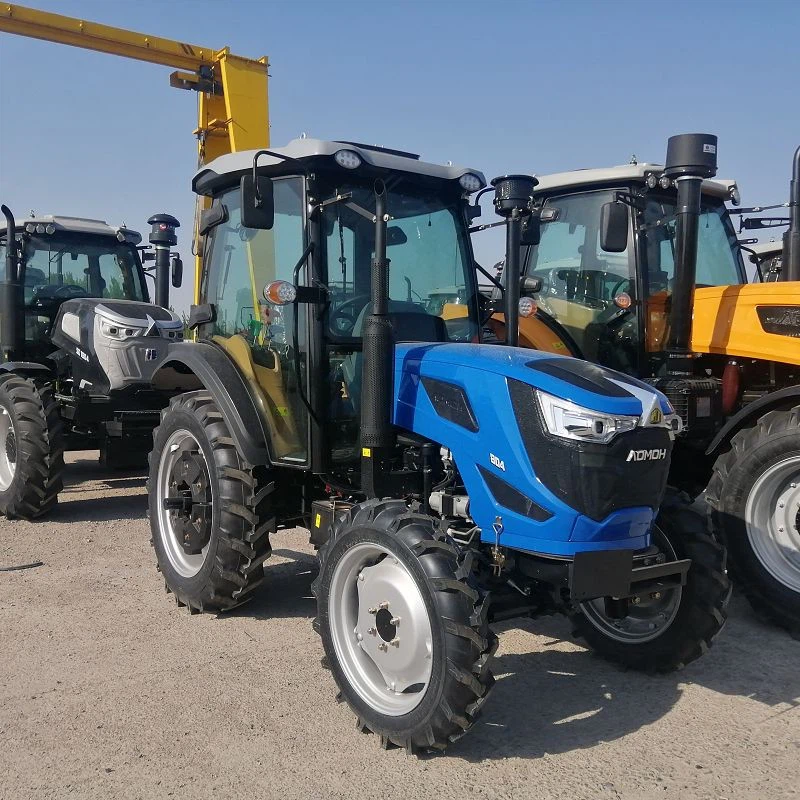
At our company, we offer a wide range of Medium Farm Tractor and Medium Wheeled Tractor options. Our medium tractors are built with high - quality materials and advanced technology to ensure reliable performance. They come with powerful engines, a variety of attachment options, and comfortable operator stations. Whether you're a small - scale farmer looking to upgrade your equipment or a commercial operator in need of a reliable workhorse, our medium tractors are designed to meet your needs.
If you're interested in learning more about our medium tractors or are thinking about making a purchase, we'd love to hear from you. We can provide you with detailed information about our products, help you choose the right tractor for your specific requirements, and answer any questions you might have. Contact us today to start the conversation and take your farming operations to the next level.
References
- "Tractor Buying Guide" - Agricultural Equipment Magazine
- "Power and Performance of Tractors" - Journal of Agricultural Engineering
- "Comparative Study of Small and Medium Tractors" - Farm Machinery Research Institute


