


Hey there! As a supplier of medium excavators, I often get asked about how to check the wear of the tracks on these machines. It's a crucial aspect of maintaining your excavator's performance and ensuring its longevity. So, let's dive right into it.
First off, why is it so important to check the track wear? Well, the tracks are like the feet of your excavator. They bear the weight of the machine, provide traction, and allow it to move smoothly across different terrains. If the tracks are worn out, it can lead to a whole bunch of issues. You might experience reduced stability, which is a big safety concern. Also, worn tracks can cause more stress on other parts of the excavator, leading to increased maintenance costs and potential breakdowns.

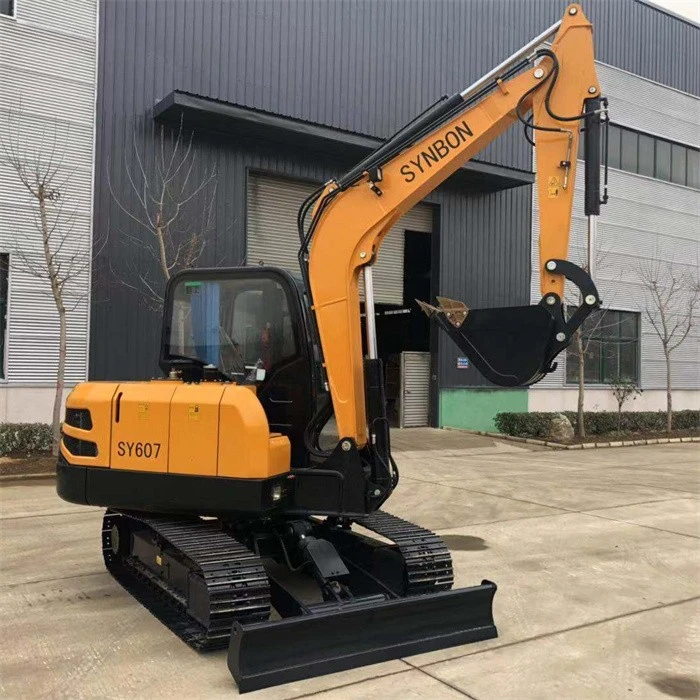
Let's start with the visual inspection. This is the easiest and quickest way to get an idea of the track's condition. Walk around the excavator and take a good look at the tracks. Check for any visible signs of damage, like cracks, breaks, or missing links. You should also look for uneven wear. Sometimes, one side of the track might be wearing out faster than the other, which could indicate a problem with the alignment or the way the excavator is being operated.
Another thing to look for is the depth of the treads. Just like the tires on your car, the treads on the excavator tracks are what provide traction. Over time, these treads will wear down. You can use a simple tool, like a tread depth gauge, to measure the depth of the treads at different points along the track. If the tread depth is below the recommended level, it's a sign that the tracks might need to be replaced soon.
Now, let's talk about the track tension. Proper track tension is essential for the smooth operation of the excavator. If the tracks are too loose, they can slip off the sprockets, which can be a real pain to fix. On the other hand, if the tracks are too tight, it can cause excessive wear on the tracks and other components. To check the track tension, you can use a tension gauge or simply try to lift the track slightly off the ground. There should be a small amount of play, but not too much.
In addition to the visual inspection and the track tension check, you should also pay attention to how the excavator is performing. If you notice any unusual noises, vibrations, or a decrease in the machine's performance, it could be a sign of track wear or other problems. For example, if you hear a rattling sound when the excavator is moving, it could mean that there are loose or worn-out parts in the track system.
When it comes to our medium excavators, we offer a wide range of options to suit different needs. Whether you're looking for a Multifunction Excavator that can handle various tasks on a construction site or an Agriculture Excavator for farm work, we've got you covered. And if you need a more heavy-duty option, our 10 Ton Crawler Excavator is a great choice.
Regular maintenance is key to keeping your excavator in top shape. In addition to checking the track wear, you should also follow the manufacturer's recommended maintenance schedule. This includes things like changing the oil, filters, and lubricating the moving parts. By taking good care of your excavator, you can extend its lifespan and save money on repairs in the long run.
If you're in the market for a medium excavator or need more information about track maintenance, don't hesitate to reach out. We're here to help you make the right choice and ensure that your excavator performs at its best. Whether you're a small contractor or a large construction company, we have the expertise and the products to meet your needs.
In conclusion, checking the wear of the tracks on a medium excavator is an important part of maintenance. By doing regular visual inspections, checking the track tension, and paying attention to the performance of the machine, you can catch any problems early and take the necessary steps to fix them. And if you're looking for a reliable medium excavator, we've got a great selection to choose from. So, why wait? Contact us today to start the conversation about your excavator needs.
References
- Manufacturer's manuals for medium excavators
- Industry standards for excavator track maintenance


