


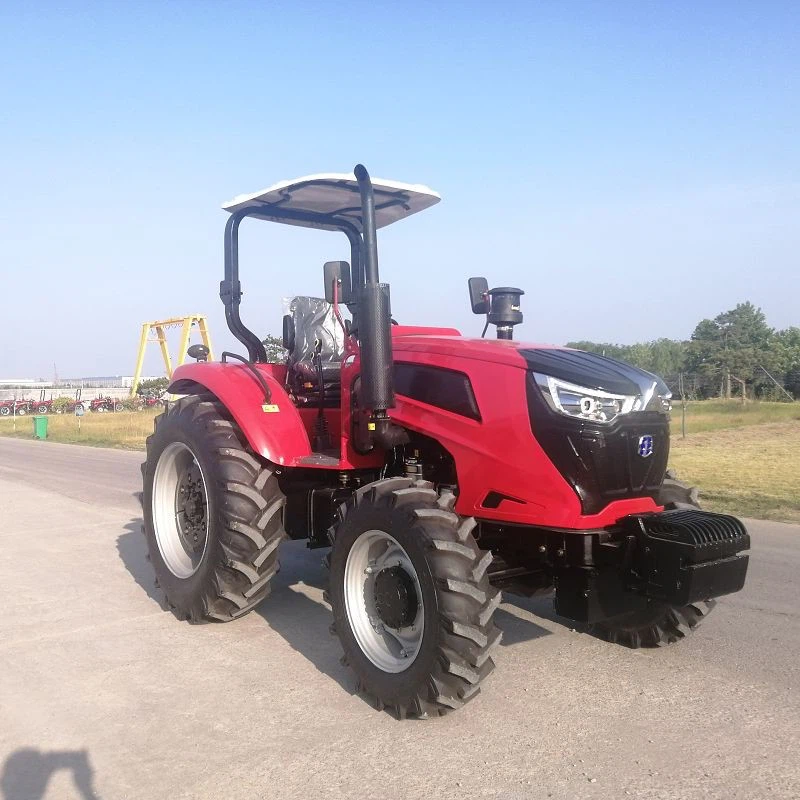
Changing the tires of a medium tractor is a task that requires careful planning, the right tools, and a clear understanding of the process. As a medium tractor supplier, I've seen firsthand the importance of proper tire maintenance and replacement. In this blog post, I'll guide you through the step-by-step process of changing the tires of a medium tractor, ensuring that you can do it safely and efficiently.
Understanding the Importance of Tires in Medium Tractors
Tires are the only point of contact between the tractor and the ground, playing a crucial role in the tractor's performance, stability, and safety. In medium tractors, which are often used for a variety of agricultural and industrial tasks, the right tires can significantly enhance traction, reduce soil compaction, and improve fuel efficiency. Therefore, it's essential to know when to change the tires and how to do it correctly.
When to Change Tires
- Tread Depth: The tread depth of a tractor tire is a key indicator of its wear. Most tractor tires should be replaced when the tread depth reaches 4/32 to 6/32 of an inch. You can use a tread depth gauge to measure the tread depth accurately.
- Visible Damage: Cracks, cuts, bulges, or punctures in the tire are signs of damage that may require immediate replacement. These issues can compromise the tire's integrity and lead to a blowout, which can be dangerous.
- Age: Even if a tire has sufficient tread depth and no visible damage, it may still need to be replaced due to age. Tires degrade over time, and their performance can decline after 6 to 10 years, depending on the storage and usage conditions.
Tools and Materials Needed
Before you start changing the tires, gather the following tools and materials:
- Jack: A hydraulic jack with a sufficient weight capacity to lift the tractor safely.
- Lug Wrench: A lug wrench that fits the lug nuts on your tractor's wheels.
- Wheel Chocks: Wheel chocks to prevent the tractor from rolling while you're working on it.
- New Tires: Make sure you have the correct size and type of tires for your medium tractor. You can find suitable tires on our website, including Medium Farm Tractor and Medium Wheeled Tractor.
- Tire Pressure Gauge: To check the tire pressure before and after installation.
- Torque Wrench: To tighten the lug nuts to the manufacturer's specifications.
Step-by-Step Guide to Changing Tires
Step 1: Prepare the Tractor
- Park the tractor on a flat, level surface and engage the parking brake.
- Place wheel chocks in front of and behind the wheels that you're not working on to prevent the tractor from rolling.
- Turn off the engine and remove the key to avoid any accidental movement.
Step 2: Loosen the Lug Nuts
- Use the lug wrench to loosen the lug nuts on the wheel that you're going to replace. Do not remove the lug nuts completely at this stage; just loosen them enough so that they can be turned by hand.
Step 3: Jack Up the Tractor
- Position the jack under the designated lifting point on the tractor. Refer to the tractor's owner's manual to find the correct lifting points.
- Slowly pump the jack to raise the tractor until the wheel is about 6 to 8 inches off the ground. Make sure the tractor is stable and level on the jack.
Step 4: Remove the Lug Nuts and the Old Tire
- Once the wheel is off the ground, remove the lug nuts completely and carefully pull the old tire off the wheel hub. Place the old tire on its side to prevent it from rolling.
Step 5: Inspect the Wheel Hub
- While the wheel is off, take a moment to inspect the wheel hub for any signs of damage, such as cracks or corrosion. Clean the wheel hub if necessary to ensure a proper fit for the new tire.
Step 6: Mount the New Tire
- Position the new tire on the wheel hub, aligning the holes in the tire with the studs on the hub.
- Replace the lug nuts by hand, tightening them finger-tight.
Step 7: Lower the Tractor
- Slowly lower the tractor using the jack until the new tire touches the ground.
- Remove the jack from under the tractor.
Step 8: Tighten the Lug Nuts
- Use the torque wrench to tighten the lug nuts to the manufacturer's specifications. Over-tightening or under-tightening the lug nuts can lead to wheel damage or a loose wheel, so it's important to follow the recommended torque values.
Step 9: Check the Tire Pressure
- Use the tire pressure gauge to check the tire pressure of the new tire. Inflate or deflate the tire as needed to reach the recommended pressure level, which can be found in the tractor's owner's manual or on the tire sidewall.
Step 10: Repeat the Process
- Repeat the above steps for the remaining wheels that need to be replaced.
Tips for Safe and Efficient Tire Changing
- Read the Owner's Manual: Before you start changing the tires, read the tractor's owner's manual carefully to familiarize yourself with the specific instructions and safety precautions for your tractor.
- Use the Right Tools: Make sure you use the correct tools for the job to avoid damaging the tires or the tractor.
- Work Slowly and Carefully: Changing tires can be a physically demanding task, so take your time and work carefully to avoid accidents.
- Inspect the Tires Regularly: Regularly inspect your tractor's tires for signs of wear, damage, or low pressure. This can help you identify potential problems early and prevent costly repairs or replacements.
Conclusion
Changing the tires of a medium tractor is a task that can be done safely and efficiently with the right tools, knowledge, and preparation. As a medium tractor supplier, we're committed to providing you with high-quality tractors and tires, as well as the information and support you need to keep your equipment in top condition. If you have any questions or need assistance with tire selection or replacement, please don't hesitate to contact us. We're here to help you make the best decisions for your tractor and your business.

References
- Tractor Owner's Manual
- Tire Manufacturer's Specifications


